Anode Backfill
Specification of Sacrificial Anode and Buried Permanent Reference Cell Backfill
| Anode Type | Composition of Backfill [%(m/m)] | Application |
| Gypsum (CaSO4.2H2O) | Anhydrous Sodium Sulphate | Anhydrous Sodium Magnesium | Bentonite |
| Mg anode | 50 25 75 15 15 | - - 5 15 - | - 25 - 20 35 | 50 50 20 50 50 | ≤20Ω.m ≤20Ω.m >20Ω.m >20Ω.m >20Ω.m |
| Zn anode | 50 75 | 5 5 | - - | 45 20 | - - |
Specifications of Petroleum Coke Backfill
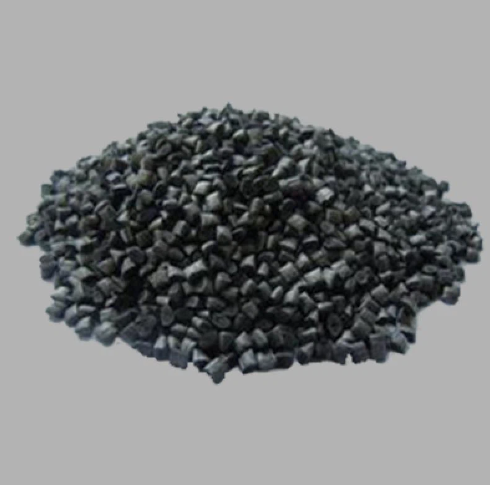
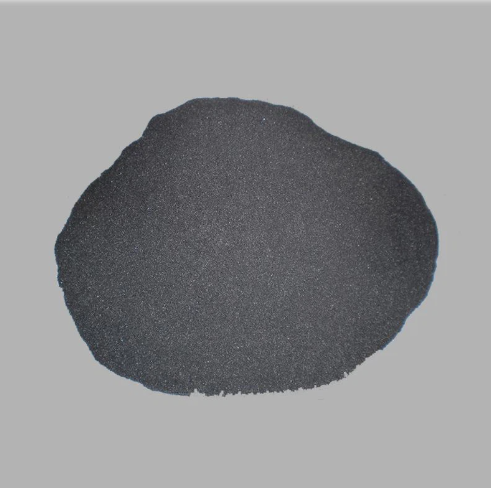
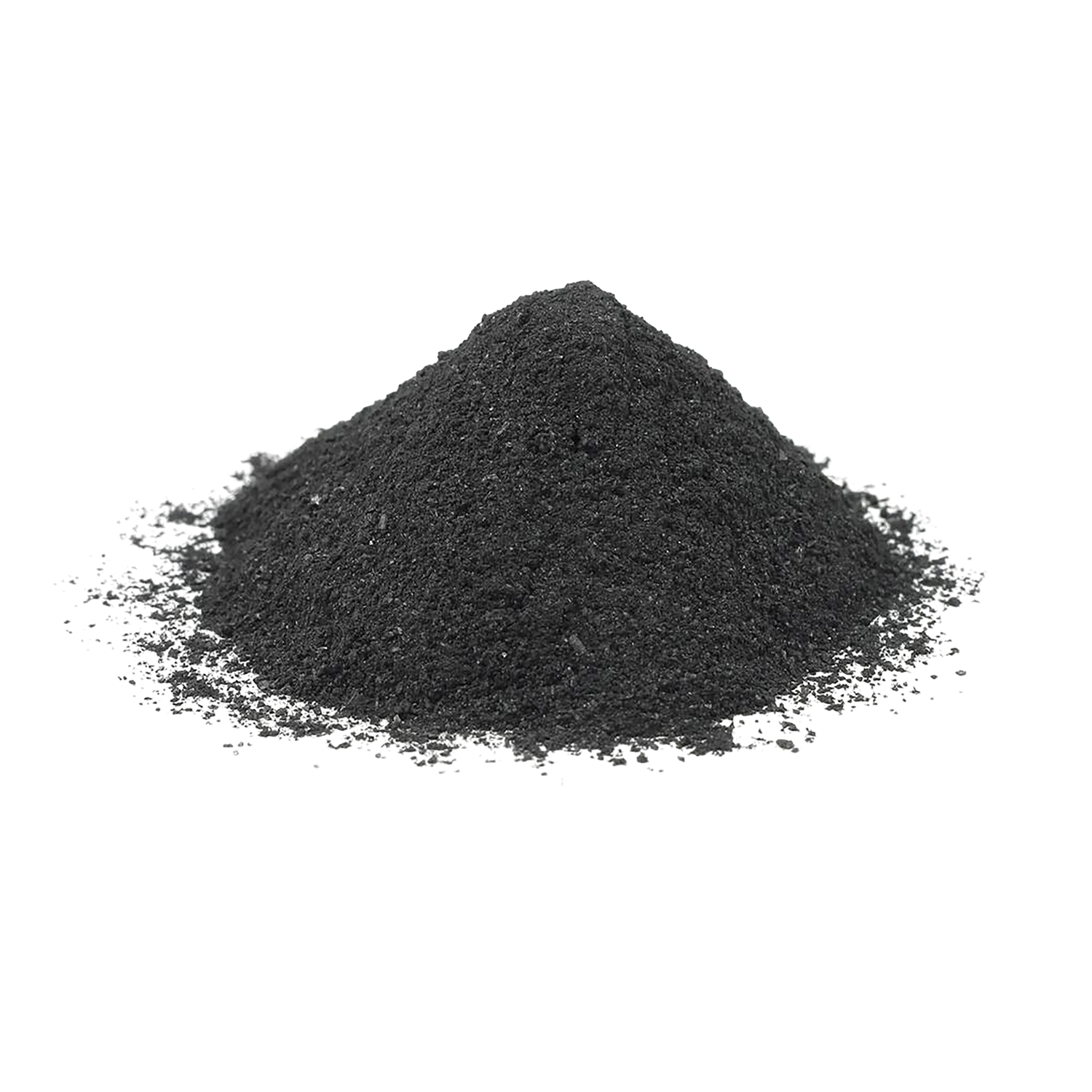
Description Since the purpose of the carbonaceous back fill is to provide an electronic path for current flow, low resistivity, particle size and specific gravity are important back fill properties. Low resistivity favors electronic current flow to the back fill/ground interface. Small particle size and high density favor electronic current flow between the anode material and back fill by improving contact between the anode material and petroleum coke backfill. Usually the high silicon cast iron anode filler is coke slag, the total thickness of the upper and lower coke is 300mm, the maximum particle size of the coke slag should be less than 15mm, and the carbon content should be greater than 85%. Most of the coke slag has a porous structure and good electrical conductivity. As a backfill for the ground bed, it can not only avoid the phenomenon of "gas resistance", but also increase the size of the anode, reduce the grounding resistance of the anode, and prolong the service life of the anode. Instructions When filling petroleum coke backfill and metallurigical coke backfill, soil should not be mixed, and it should be compacted to ensure good electrical contact between the high-silicon cast iron anode and the coke slag. After the anode ground bed is installed, water should be poured before backfilling to reduce the anode grounding resistance. A layer of gravel or coarse sand should be laid on the top of the backfill residue packing layer to facilitate the escape of the gas generated during the operation of the anode.
![]()
| Fixed Carbon | 99% |
| Ash | 0.5% Max |
| Moisture | 0.2% Max |
| Volatiles | 0.5% Max |
| Bulk Density | 1100kg/CBM |
| Resistivity | 0.1ohm.cm Max |
| Size | 0~1mm |
Specifications of Metallurgical Coke Backfill
Description To ensure good electrical contact between the anode and the backfill, the filler must be tamped around the anode. Otherwise, part of the current will flow directly from the anode to the soil and shorten the service life of the anode. In the clay area, if the current passing through the anode ground bed is too large, a hard plastic tube with holes for the electrode can be used, and the filler layer can directly pass to the ground, and the gas generated around the anode can be discharged to the ground in time. In drier areas, water can be injected into the ground bed to reduce grounding resistance. How to estimate the volume of the filler: The anode bed pore size is three times of the anode diameter. And fill 300 mm of petroleum coke backfill or metallurigical coke backfill on the top and bottom of the electrode.
![]()
| Fixed carbon | 90% |
| Ash | 8% |
| Moisture | 10% |
| Volatiles | 1% |
| Sulphur | 1.2% |
| Bulk Density: | 500-600kg/CBM |
| Resistivity: | 35-55ohm.cm |